Ports
Keep Critical Water Infrastructure Running
Clean, Mobile Power for Water and Wastewater Operations
Challenges
When the Power Goes Out, Water Operations Can’t Stop
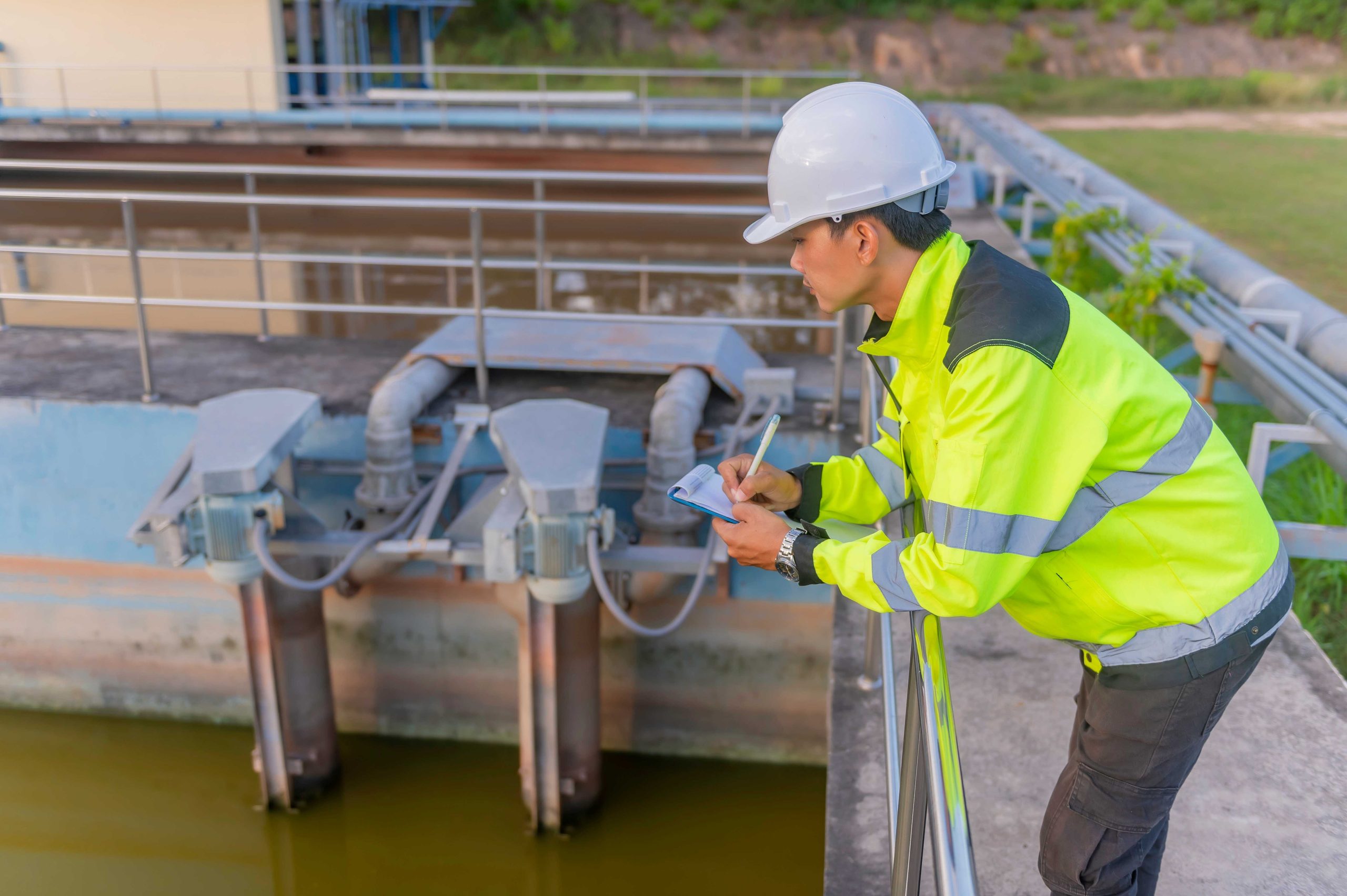
Water and wastewater utilities depend on reliable power to maintain essential services. Treatment facilities, pumps, lift stations, controls, communications, and other critical assets may be distributed across a wide service area, often creating power needs far beyond a single facility.
Grid outages, severe weather, planned power shutoffs, aging infrastructure, and remote locations can all put operations at risk. EPA guidance specifically identifies power resilience and backup generation as critical considerations for water and wastewater utilities.
Water and wastewater utilities face:
- Critical equipment that must remain operational during grid outages.
- Pumping stations and other assets distributed across multiple locations.
- Remote facilities where permanent backup power may be impractical or costly.
- Dependence on diesel generators for temporary and emergency power.
- The need to maintain access to generator fuel during prolonged disruptions.
- Growing electrification of utility fleets and equipment, creating additional charging requirements.
Utilities need flexible, resilient power that can be deployed where it’s needed, when it’s needed.
Hydrocharge™
Mobile Power for Distributed, Critical Operations
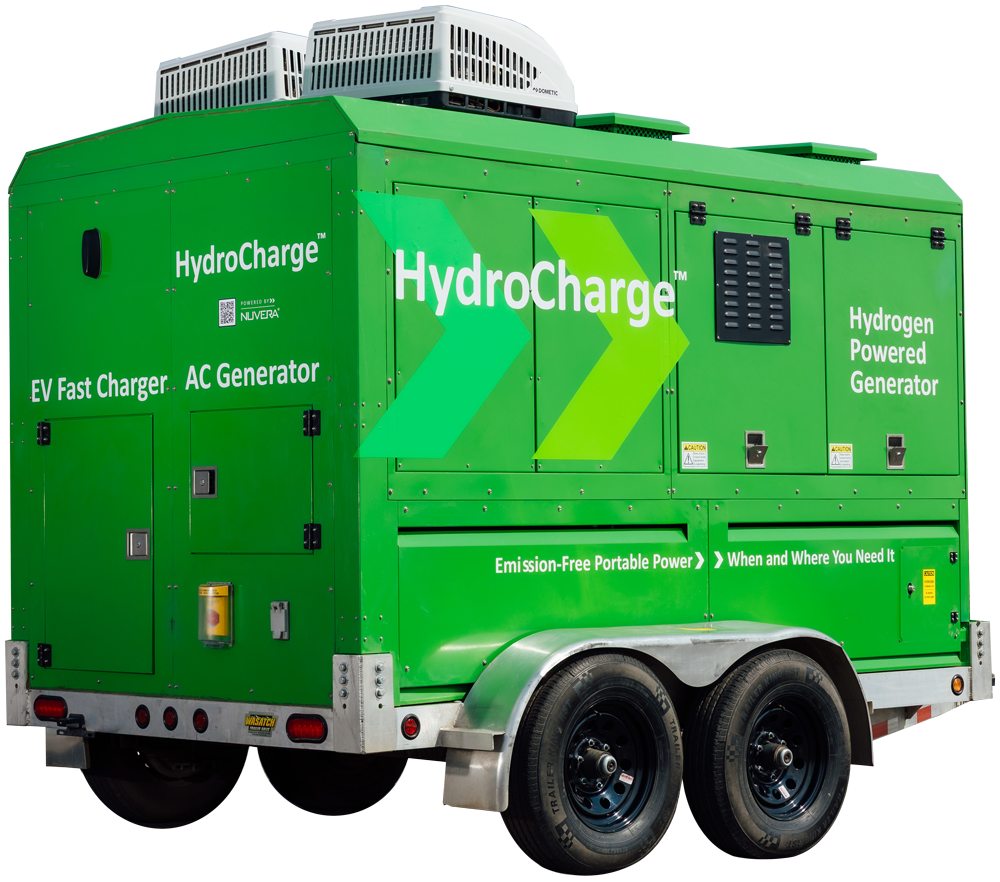
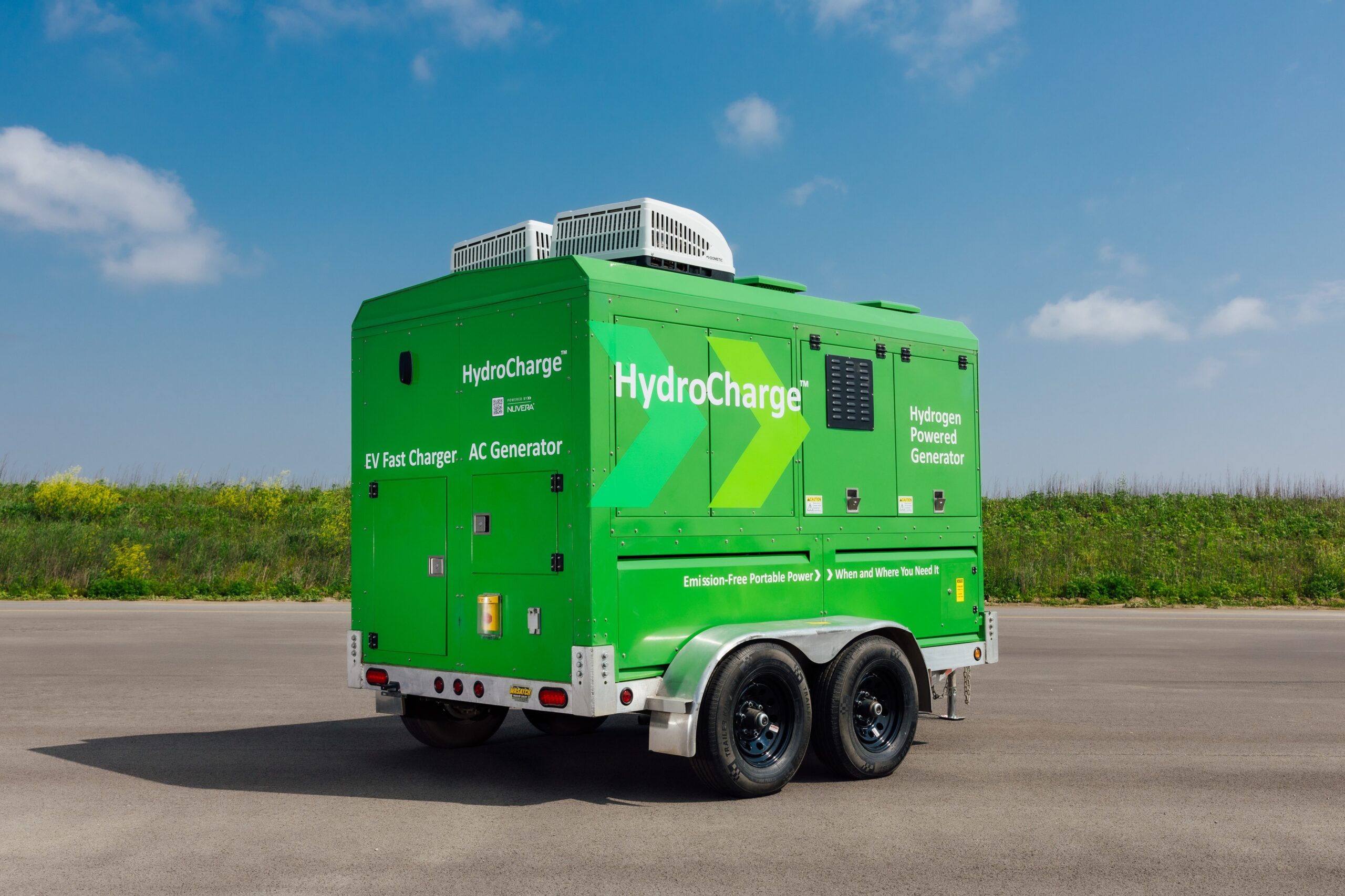
HydroCharge™ is a hydrogen-powered, grid-independent AC genset and DC fast charger that can bring power directly to critical utility assets without relying on grid access.
Rather than installing dedicated temporary generation at every location, HydroCharge can be moved among facilities and deployed where power is most urgently needed, providing another layer of resilience for planned and unplanned disruptions.

AC Power Where It’s Needed
- Provide 120V / 240V / 400V single- and three-phase AC power.
- Support equipment, tools, lighting, controls, and other critical electrical loads.
- Bring temporary power to remote or grid-constrained locations.

Mobile Across the Service Territory
- Towable to treatment facilities, pumping stations, lift stations, and other utility assets.
- Move power among locations as operating conditions change.
- Supplement stationary backup systems with flexible, deployable power.

Clean, Quiet Operation
- Zero emissions at the point of use.
- No diesel exhaust at treatment facilities or locations near communities.
- Quiet operation for facilities located in or near residential areas.

Power + EV Charging
- DC fast charging supports electric utility vehicles and equipment.
- AC genset capability supports facility and operational power needs.
- One mobile asset can address multiple power requirements across the utility.

Fast Refueling, Extended Operation
- Hydrogen refueling takes minutes.
- Avoids the recharge downtime associated with battery-based mobile power.
- Designed to support extended operating periods when grid power is unavailable.
Power Resilience
A Critical Layer of Protection When the Grid Goes Down
The EPA recommends that water and wastewater utilities assess their emergency power needs and determine the appropriate mix of stationary and portable generation. Portable systems can be particularly valuable for smaller loads and distributed assets because they can be transported among sites as needs change.
HydroCharge provides utilities with a clean alternative for mobile backup and temporary power, helping supplement existing resilience plans while reducing reliance on diesel generation.
That flexibility can support:
- Grid outages and emergency response
- Planned utility shutdowns and maintenance
- Public Safety Power Shutoffs
- Remote and temporary operations
- Backup to existing backup generation
- EV fleet and equipment charging
USE Case
Mobile Backup Power Across a Distributed Water System
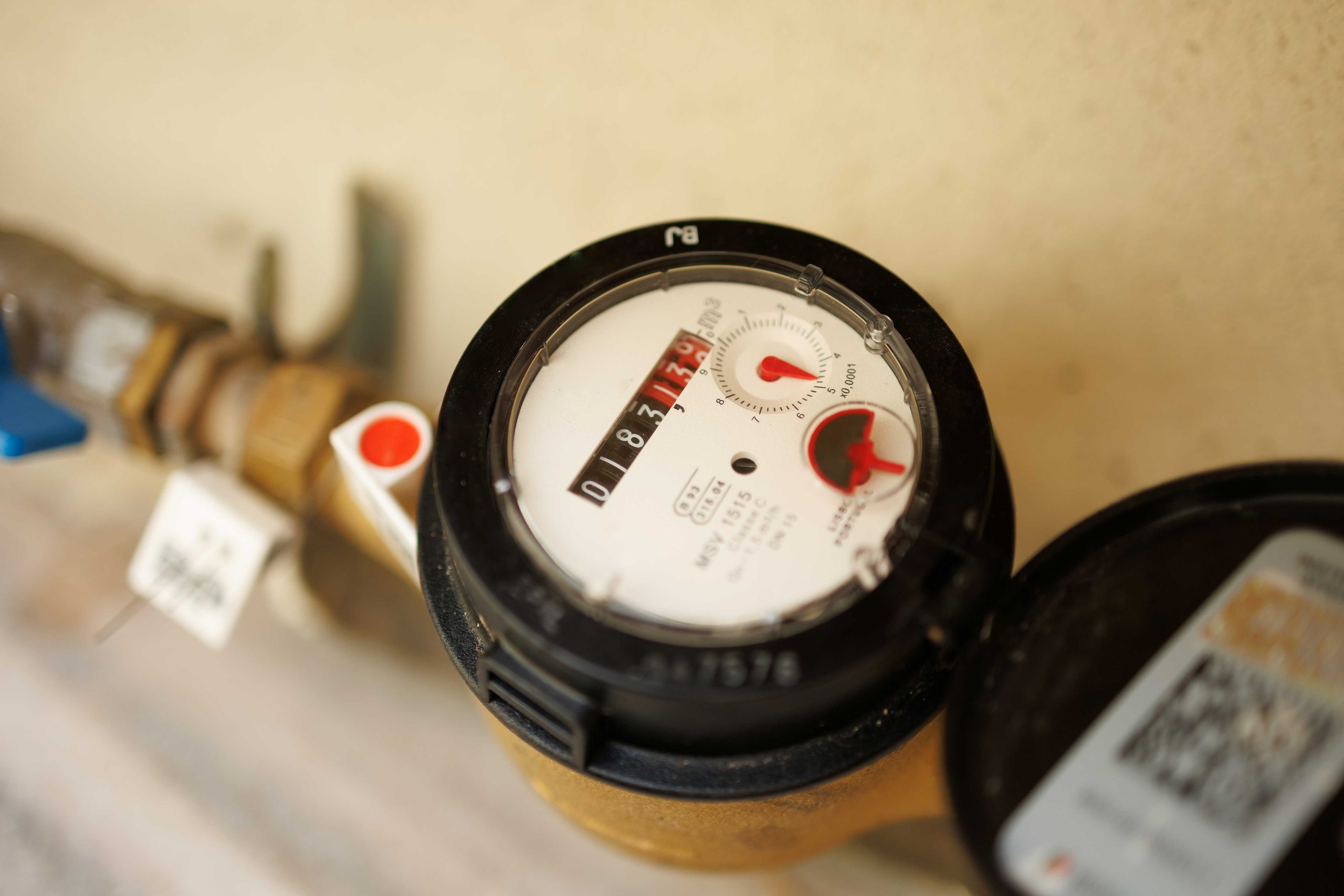
A water or wastewater authority operates treatment facilities, pumping stations, and other critical assets across a large service territory. While major facilities may have stationary backup generators, providing dedicated backup generation at every location can be costly and inefficient.
During a grid disruption, a mobile power system can be dispatched to facilities based on operational priority, providing temporary AC power without waiting for grid service to be restored.
Deploying HydroCharge can help:
- Bring power directly to critical distributed assets.
- Support pumps, equipment, controls, lighting, and other electrical loads.
- Move power between locations as needs change.
- Provide an additional backup option if stationary generation is unavailable.
- Reduce reliance on diesel-powered temporary generation.
- Support electric utility vehicles through DC fast charging when needed.
Potential results:
- Greater resilience during grid disruptions.
- Faster deployment of backup power to priority locations.
- Increased flexibility across distributed infrastructure.
- Reduced local emissions and noise compared with diesel generation.
- Greater utilization from a system that can support both AC power and EV charging.
Explore Clean, Mobile Power for Water and Wastewater Operations
Water and wastewater utilities need resilient power strategies that account for outages, emergencies, remote assets, and evolving energy needs. HydroCharge provides a flexible way to bring clean power directly to the point of need.

USA | Hyster-Yale Materials Handling, Inc.
129 Concord Road, Building 1
Billerica, MA 01821, U.S.A.
Tel: (617) 245-7500
Fax: (617) 245-7511
EUROPE | European Service and Testing Facilities
Hyster-Yale Italia, S.p.A.
SP ex SS 525 del Brembo, 1
24040 Osio Sopra (BG)
Italy
© 2026 Hyster-Yale Materials Handling, Inc.,
all rights reserved