
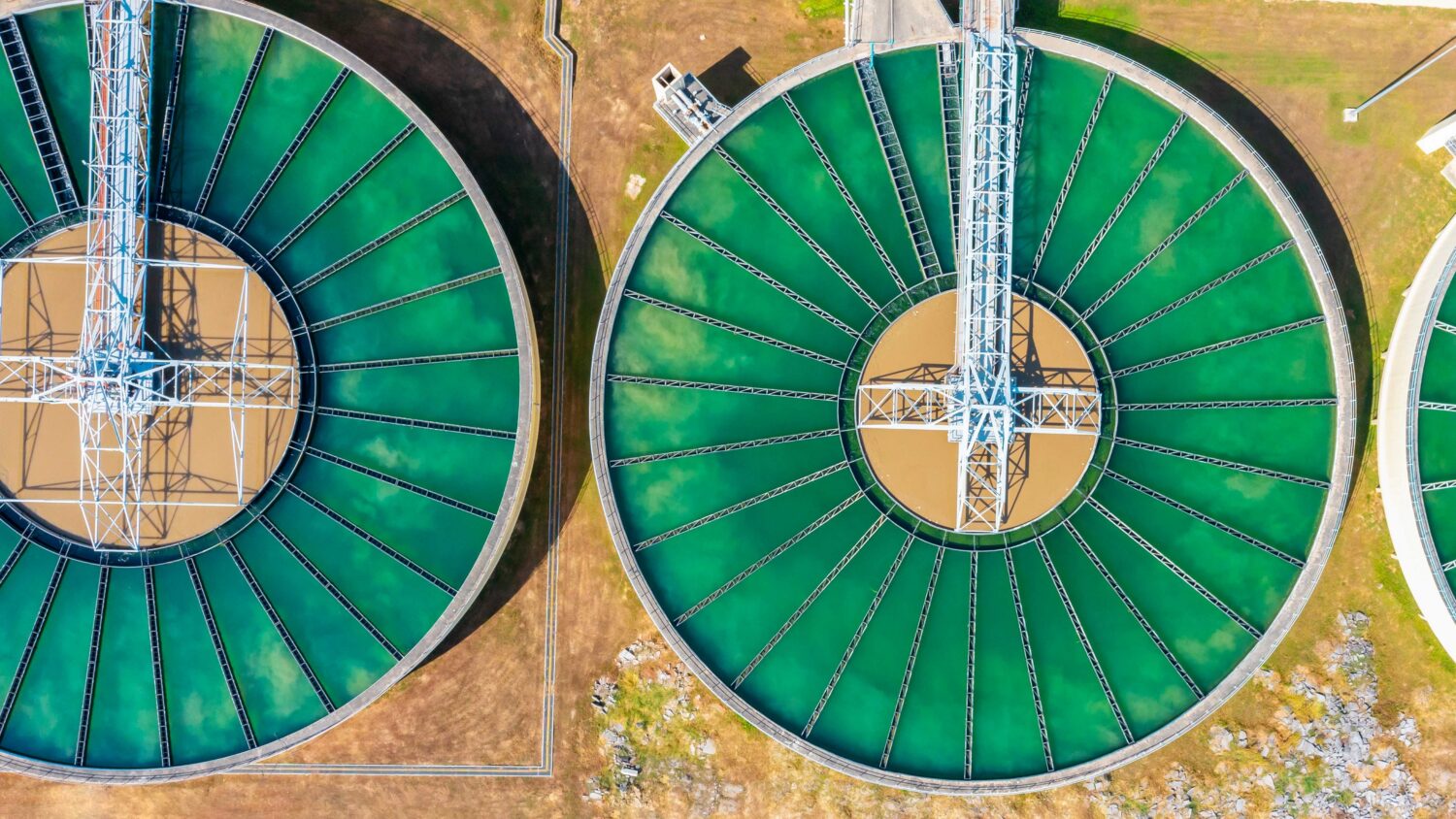
How Nuvera® HydroCharge™ helps water authorities bridge the grid resilience gap
When the power grid fails, water and wastewater operations can’t. EPA emergency planning guidelines treat power resilience as a critical priority, urging water utilities to strengthen preparedness to maintain operations through outages and natural disasters.
Water and wastewater authorities face two imperatives: maintaining continuous operations essential for public health while meeting aggressive clean energy and environmental goals.
Since pumping stations, lift stations, and treatment facilities are geographically dispersed across large territories, they rely on fixed grid infrastructure which leaves systems vulnerable to outages. Clean, mobile power is a vital solution, giving utilities flexible, on-demand energy that can be deployed anywhere in their network without the noise, localized emissions, or complex fuel logistics of diesel generators.
The Infrastructure Resilience Gap in Water Management
Installing permanent, stationary diesel backup generators at every individual site (including remote, rural areas) requires massive capital investment and can suffer from severe weather impacts. If an agency manages 50 remote pump stations, a decentralized stationary generator strategy could easily drain $25-to-$50 million just in standby power, which supports the need for shared mobile power units. Mobile power units provide a far more versatile model, deploying high-capacity electricity wherever an outage or planned maintenance occurs.
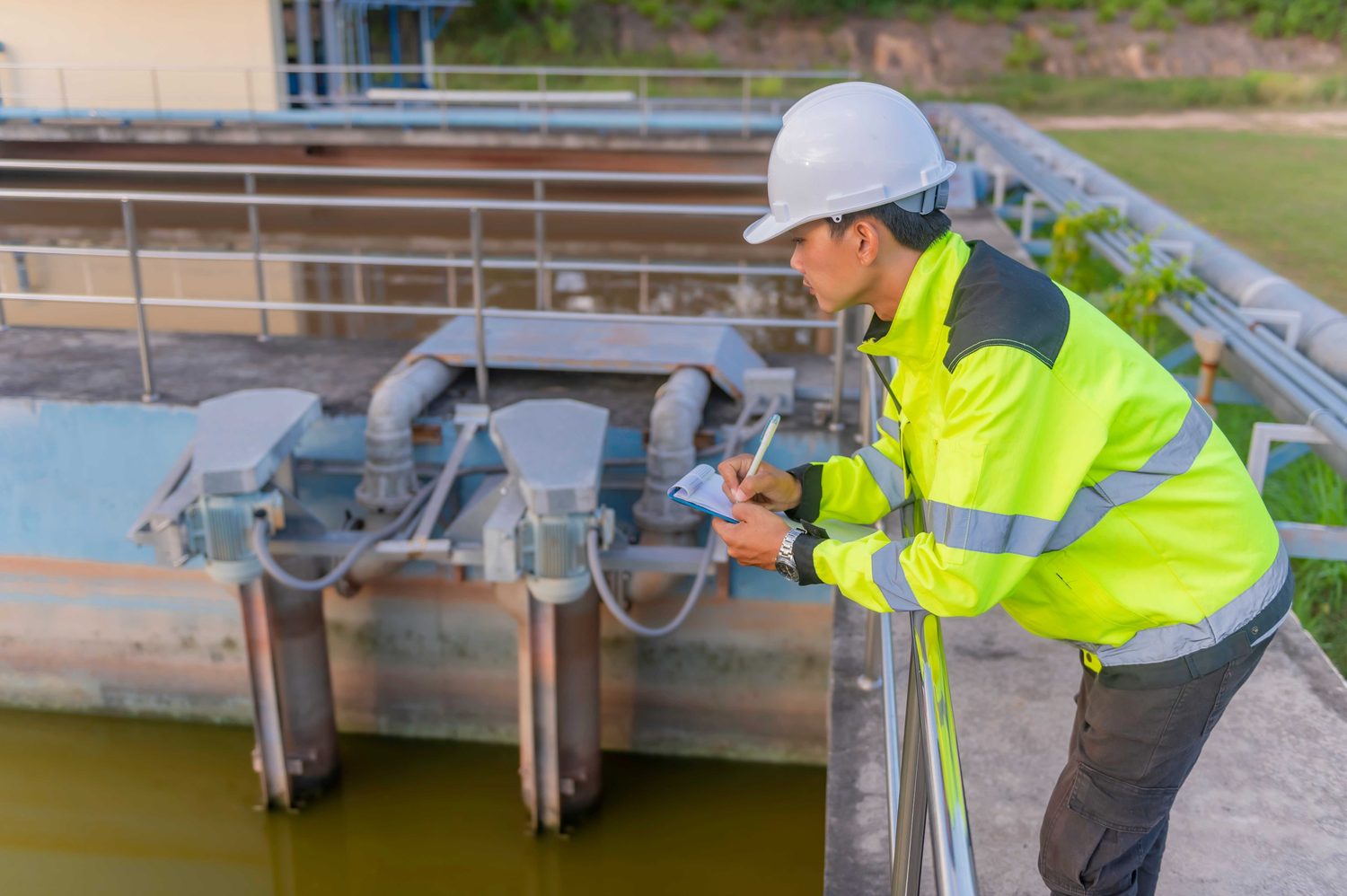
| Why HydroCharge™ Belongs in Water Authority Resilience Strategies: Mobile Off-Grid Reliability: Delivers continuous AC genset power to keep treatment processes, pumps, and telemetry systems running during grid outages or shutoffs. Dual-Asset Functionality: Integrates AC power generation with Level 3 DC fast charging. When it’s not deployed for emergency backup, utilities can use the same unit to charge electrified service vehicles and fleet assets. Zero Fumes and Low Noise: Water infrastructure is frequently near residential neighborhoods. HydroCharge operates quietly and produces zero toxic exhaust at the point of use, avoiding air pollution and noise complaints. Turnkey Management: Hyster-Yale Energy Solutions team provides end-to-end lifecycle support, handling system integration, operator training, and fuel supply, so utility operators don’t need to be hydrogen experts to maintain energy resilience. |
Maximizing Utility Capital Investments
Traditional stationary backup generators may sit idle for most of their service lives. HydroCharge offers a more productive model: an active, flexible power asset that can support daily fleet charging and other power needs while remaining ready for deployment during outages, planned maintenance and emergencies.
By putting one mobile power asset to work across emergency response, planned maintenance and daily fleet charging, water authorities can strengthen resilience without duplicating expensive infrastructure at every location. When the grid goes down, the water still must flow. HydroCharge helps utilities keep it moving.